
Med stadig høyere drivstoffkostnader må beboere over det ganske land punge ut for fossilt drivstoff, og når regjeringen i slutten av 2016 varslet økte drivstoffavgifter, så er det bare å forberede pengepungen dersom man kjører bensin- eller dieselbil. Heldigvis er det en del tiltak man selv kan gjøre for å spare penger på drivstoff, der enkelte av tiltakene sparer deg for mange hundrelapper uten at du behøver å anstrenge deg noe særlig, mens andre igjen er noe mer omfattende. Her er våre tips for å redusere kostnaden på drivstoff.
Spar penger med rabattavtale
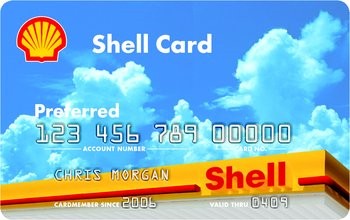 Den desidert beste måten å spare penger på drivstoff på, er å skaffe seg et kredittkort som gir deg rabatter på bensin og diesel. Her finnes det flere alternativer, der man enten kan velge et kredittkort som tilhører en spesifikk kjede (Circle K, Shell, Esso og så videre), eller så kan man skaffe seg et mer generelt bensinkort som gir deg drivstoffbonus uavhengig av kjede. Hva man foretrekker her er litt forskjellig, hvis man uansett kun fyller hos Shell så kan for eksempel Shell MasterCard være det beste alternativet. Den store fordelen med disse kortene er at det ikke koster noe å skaffe seg/eie et slikt, og du kan spare opp mot 80 øre/literen bare ved å betale med kortet!
For de fleste vil det være mest aktuelt å skaffe seg et kredittkort som man har liggende i bilen, og som man konsekvent bruker til å fylle bensin. Fyller man 15 000 liter i løpet av et år, så har man spart godt over 1000 kroner på drivstofftankingen (med en gjennomsnittlig bensinpris på 14 kroner). Og alt du trengte å gjøre var å bruke et kredittkort i stedet for et bensinkort.
Hvor mye man får i bonus varierer dog på tvers av de ulike tilbyderne. Shell sitt kredittkort gir deg for eksempel 40 øre i rabatt, mens man med mer generelle bensinkort får prosentvise bonuser uavhengig av kjede – ofte mellom 3-4 prosent. Gjennom nettsidene våre kan du selv sammenligne priser og betingelser på de ulike bensinkortene på markedet.
Gjør en innsats for å redusere drivstoffbruken
Foruten om å spare pengene når man først fyller tanken, så gjelder det også å få tanken til å vare lengre. Enkle bidrag her kan gjøre at man får en full tank til å vare mye lenger – som for eksempel at man unngår tomgangskjøring, og at man triller i nedoverbakker. Unngår man unødvendig med luftmotstand utenfor bilen (ikke kjør med takboksen på året rundt for eksempel) så kan man også spare penger på dette. Det samme gjelder innvending i bilen – ikke kjør med unødvendig last, for hver eneste kilo kan over lengre tid påvirke drivstoffbruken.
Og det helt klart beste alternativet vil være å vurdere skifte av bil. I disse dager er hybridbiler blitt mer og mer populære, og dette kan være et godt alternativ til deg som krever samme rekkevidde – men som samtidig ønsker å spare penger. For disse bilene kombinerer fossilt drivstoff og bensin, og med jevnlig lading kan slippe unna med å fylle tanken noen få ganger i året. Tro det eller ei, men for den gjennomsnittlige forbruker så vil en hybridbil spare deg for svært mye penger.
Fyll tanken på riktig tidspunkt
 Det er faktisk ingen myte at bensinen er billigere på søndager og mandags formiddag sammenlignet med resten av uken. Faktisk så bør man fylle bensin før klokken 12:00 på mandager, ettersom listeprisene da justeres internasjonalt. Og trenden er lik hver eneste uke – prisene øker etter dette tidspunktet, før de justeres som et resultat av konkurransen og markedet for øvrig gjennom uken. Mange anser torsdag som den dyreste dagen, men prisnivået ligger da gjerne på det samme som det gjør mandag ettermiddag.
Følgelig kan man fort spare mye penger på å fylle tanken konsekvent på søndager, eller tidlig på mandager. Prisforskjellen «før og etter» er gjerne på 2 kroner eller mer, og for en full tank vil det bety at du sparer godt over en 100-lapp på tidspunktet du fyller. Gjør man dette flere ganger i måneden, så sier det seg selv at det blir tusenlapper spart på drivstoff i løpet av ett år.

 Det høres kanskje litt tvilsomt ut å benytte en boligkreditt som økonomisk buffer, men i praksis er det et par gode argumenter for dette. En boligkreditt er en kredittramme du får stilt til rådighet av banken, med pant i boligen din. Normalt kan du få en boligkreditt på inntil 70% av verdien på eiendommen din. Det betyr at hvis du for eksempel at hvis boligen din har en verdivurdering på 2 millioner kroner, og du har en belåningsgrad på 60%, vil du ha rundt regnet 200.000kr i disponibelt beløp på boligkreditten.
 Selv om du fokuserer på å nedbetale forbrukslånet så raskt som mulig, bør det ikke gå på bekostning av et månedlig beløp satt av til en økonomisk buffer. Hvis noe uforutsett skjer, vil det å ha litt penger i bakhånd være utrolig viktig og det kan være nettopp det som gjør at din privatøkonomi ikke kjører av sporet. Selv med dårlig råd og mer eller mindre tomt på kontoen mot slutten av hver måned, bør du derfor prioritere å spare litt jevnt og trut. Det trenger ikke å være så veldig mye, bare et par hundrelapper i måneden vil etterhvert utgjøre en grei liten buffer. Hvis du føler det blir vanskelig å sette av penger til oppsparing, kan det lønne seg å sette opp et automatisk trekk fra lønnskontoen til sparekontoen din, på den dagen du vanligvis får lønn.